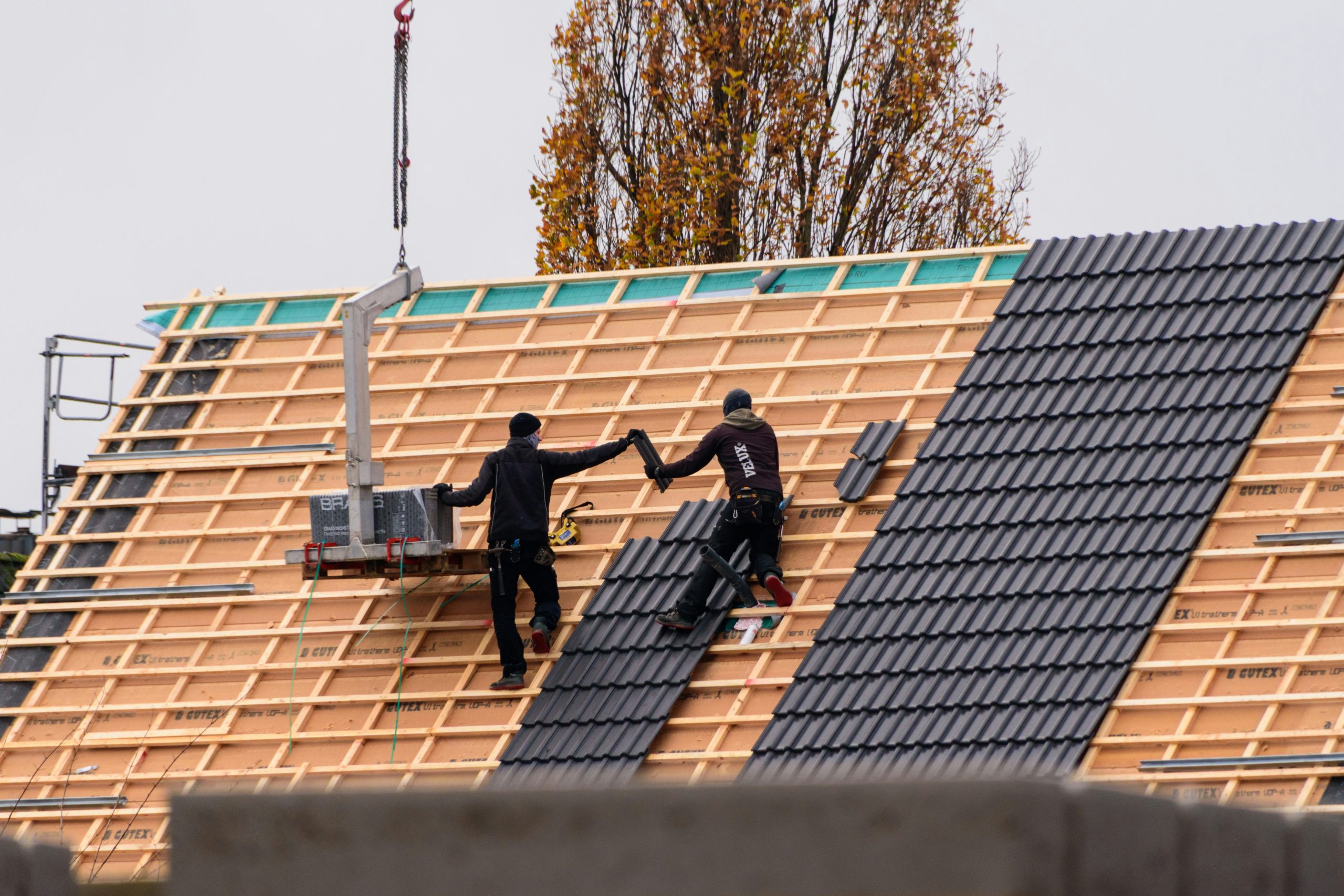
We understand that the labyrinthine world of residential roof repair can feel overwhelming. Our aim in this comprehensive guide is to demystify the process, offering you a clear, factual, and actionable pathway to maintaining the structural integrity and aesthetic appeal of your Austin home’s roof. We recognize that your roof is more than just a cover; it’s a critical shield against the elements, a key contributor to your home’s energy efficiency, and a significant factor in your property’s overall value.
Austin’s unique climate, characterized by scorching summers, occasional hailstorms, and periods of heavy rain, presents a distinct set of challenges for residential roofs. We frequently encounter specific types of damage that necessitate repair.
Hail Damage
Hail, a common occurrence in our region, acts like a barrage of tiny hammers on your roof. Even seemingly small hailstones can inflict significant, yet often unseen, damage.
- Granule Loss: We often observe instances where hail strikes dislodge the protective granules from asphalt shingles. This exposes the underlying asphalt to UV radiation, accelerating its degradation and reducing the shingle’s lifespan. We look for areas where the darker asphalt is visible through the missing granules.
- Cracked Shingles: Larger hailstones can directly crack or fracture shingles. These cracks act as pathways for water intrusion, leading to rot and mold within the roof decking and attic space. We use visual inspections and sometimes tactile methods to identify these fractures.
- Bruising or Pitting: Impact from hail can cause dents or depressions in the shingle mat, known as bruising. While not immediately a leak, these areas are weakened and more susceptible to future damage and premature aging. We evaluate the consistency and texture of the shingle surface to detect these irregularities.
Wind Damage
Austin’s strong winds, particularly during thunderstorms, can be a formidable adversary for your roof. We often see damage related to high wind events.
- Lifted or Missing Shingles: The wind can act as a lever, prying up and even tearing off shingles, especially those with weakened adhesive seals. This creates immediate vulnerabilities for water penetration. We meticulously check for any dislodged or absent shingles, paying close attention to eaves and rake edges.
- Creased or Folded Shingles: Powerful gusts can also fold or crease shingles without completely detaching them. These creases weaken the shingle structure and can lead to premature cracking. We inspect for signs of stress or bending in the shingle material.
- Damage to Flashing: The protective metal strips around chimneys, vents, and valleys, known as flashing, are crucial for water diversion. Strong winds can lift or bend flashing, compromising its seal and creating entry points for water. We ensure all flashing is securely in place and free from deformation.
Water Damage and Leaks
Water is the primary antagonist of any roof. We recognize that even small leaks can escalate into significant issues if left unaddressed.
- Ponding Water: Areas where water collects and stands on the roof for extended periods, often due to improper drainage or sagging, accelerate material degradation. We assess the roof’s slope and look for evidence of standing water after rainfall.
- Fascia and Soffit Rot: Water that overflows gutters or seeps behind the fascia board can lead to rot in these wooden components, compromising their structural integrity and inviting pests. We inspect for discoloration, softness, or deterioration in these areas.
- Interior Water Stains: The most overt sign of a leak is often visible inside your home. We investigate water stains on ceilings or walls as a direct indicator of a breach in the roof’s defense. We then trace these stains back to their origin on the roof.
Age-Related Deterioration
Like any component of a house, roofs have a finite lifespan. We understand that age brings its own set of unique challenges.
- Curling or Cupping Shingles: As asphalt shingles age, they can begin to curl upwards at the edges or cup downwards in the center. This is a common sign of material fatigue and reduced flexibility, making them more susceptible to wind and hail. We differentiate this from newly installed shingles which lie flat.
- Brittle Shingles: Over time, the sun’s UV rays cause asphalt shingles to lose their elasticity and become brittle. This makes them prone to cracking and breaking with minimal impact. We can often feel the rigidity of these shingles during our inspection.
- Moss and Algae Growth: In shaded or consistently damp areas, moss and algae can thrive. While not immediately structural, these growths hold moisture against the shingles, accelerating their deterioration and potentially lifting them, creating easy access for water. We note areas with significant organic growth.
The Roof Repair Process: A Step-by-Step Approach
We believe in transparency and a structured approach to roof repair. Our process is designed to be thorough, efficient, and minimize disruption to your daily life.
Initial Inspection and Assessment
This is where we begin our detective work, uncovering the root cause and extent of the damage.
- Thorough Roof Examination: We conduct a comprehensive visual inspection from the ground and on the roof (when safe), examining every square foot for signs of damage from hail, wind, water, and age. We pay close attention to areas prone to leaks, such as valleys, flashing, and penetrations.
- Attic Inspection: We also venture into your attic, looking for signs of water intrusion (stains, drips), mildew, or compromised insulation. This interior perspective often reveals hidden leaks that aren’t apparent from the exterior.
- Detailed Damage Report: Following our inspection, we provide you with a comprehensive report, including photographs and explanations of the observed damage, its likely cause, and our recommended repair solutions. We aim to paint a clear picture of the problem.
Developing a Repair Plan
Once the damage is assessed, we shift our focus to crafting a tailored solution.
- Repair vs. Replacement Analysis: We objectively evaluate whether a repair is a viable and cost-effective solution or if a full roof replacement is warranted. We consider factors like the age of the roof, the extent of the damage, and the remaining expected lifespan. We are not incentivized to push for a replacement if a repair suffices.
- Material Selection Recommendations: We discuss potential repair materials, considering your existing roof type, aesthetic preferences, and budget. For instance, matching shingle color and style is paramount for a seamless repair.
- Transparent Cost Estimation: We provide a detailed, itemized estimate outlining all labor, materials, and associated costs. We believe in no hidden fees or surprises.
Executing the Repair
Our skilled technicians bring the repair plan to life with precision and care.
- Safety Protocols: We prioritize safety above all else. Our crew adheres to strict safety protocols, utilizing appropriate personal protective equipment and fall protection systems. The roof can be a dangerous environment, and we treat it with the respect it demands.
- Quality Workmanship: We employ experienced and certified roofing technicians who utilize industry best practices and high-quality materials to ensure a durable and aesthetically pleasing repair. We believe a repair should be indistinguishable from the surrounding roof.
- Site Cleanup: Upon completion, we ensure a thorough cleanup of the work area, removing all debris, nails, and packaging. We leave your property as tidy as we found it.
Choosing the Right Austin Roof Repair Company
Selecting a reliable roof repair company is as crucial as the repair itself. We advocate for a methodical approach to this decision.
Credentials and Experience
We encourage you to scrutinize a company’s background and expertise.
- Licensed and Insured: We emphasize the non-negotiable requirement of working with a fully licensed and insured contractor. This protects you from liability in case of accidents or unqualified work. Ask for proof of both.
- Local References and Reviews: We recommend seeking out contractors with a strong local reputation. We believe that testimonials from previous Austin clients offer invaluable insights into a company’s reliability and quality of work. Look for patterns in positive and negative feedback.
- Years in Business: We view longevity in the industry as a positive indicator of stability, experience, and a proven track record. A company that has weathered Austin’s economic and climatic shifts likely has a robust operational foundation.
Communication and Transparency
We believe in clear and consistent communication throughout the repair process.
- Detailed Proposals: We advise against vague or superficial proposals. A good contractor will provide a comprehensive, itemized proposal that clearly outlines the scope of work, materials, costs, and timelines. This serves as our shared roadmap.
- Responsive Communication: We understand that you will likely have questions and concerns. We commit to being accessible and responsive to your inquiries, keeping you informed at every stage of the project. Communication is the mortar that binds our partnership.
- Warranty Information: We urge you to fully understand the warranty offered on the repair work and materials. A strong warranty reflects a contractor’s confidence in their workmanship and products. We provide explicit details on all warranty provisions.
Pricing and Value
While cost is a factor, we encourage you to prioritize value over simply the lowest bid.
- Fair and Competitive Pricing: We strive to offer competitive pricing that reflects the quality of our materials, expertise of our staff, and the comprehensive nature of our services. We aim for a sweet spot where quality meets affordability.
- Avoid Substantially Low Bids: We caution against contractors offering significantly lower bids than others. This often signals compromises in material quality, labor standards, or insurance coverage, potentially leading to future problems. A low price can sometimes be a Trojan horse for hidden costs or shoddy work.
- Payment Schedule: We clearly outline our payment schedule, typically involving an initial deposit and final payment upon satisfactory completion of the work. We avoid demands for large upfront payments before work commences.
Proactive Roof Maintenance in Austin
Prevention is often the most cost-effective and least disruptive approach to roof care. We advocate for a proactive stance.
Regular Inspections
Think of regular inspections as your roof’s annual health check-up.
- Annual Professional Inspections: We recommend scheduling a comprehensive roof inspection by a qualified professional at least once a year, preferably in the spring or fall. These inspections can identify minor issues before they escalate.
- Post-Storm Checks: After severe weather events, especially heavy rain or hail, we suggest a visual check of your roof from the ground for any visible damage. Even from afar, missing shingles or displaced flashing can often be spotted.
- Gutter and Downspout Monitoring: We advise you to regularly check your gutters for blockages from leaves, debris, or shingle granules. Clogged gutters can lead to water overflow, causing fascia rot and foundation issues.
Keeping Gutters Clean
Gutters are your roof’s drainage system; keeping them clear is paramount.
- Preventing Water Accumulation: Clean gutters ensure proper water run-off, preventing water from backing up onto your roof or spilling over to damage landscaping and foundations. Water that sits and stagnates becomes a breeding ground for problems.
- Avoiding Fascia and Soffit Damage: Blocked gutters can cause water to pool and seep into the fascia and soffit, leading to wood rot and attracting pests. These wooden organs of your roof need to breathe.
- Protecting Foundations: Effective water diversion away from your home’s foundation is crucial to prevent structural issues and basement flooding. Just as blood flows through our veins, water must flow freely away from your home.
Trimming Overhanging Branches
Trees, while beautiful, can be both a friend and foe to your roof.
- Reducing Debris Accumulation: Overhanging branches shed leaves, twigs, and needles, which accumulate in gutters and on the roof surface. This organic matter holds moisture and can accelerate shingle degradation.
- Minimizing Pest Access: Branches close to your roof can act as a bridge for rodents and other pests, providing them easy access to your attic. We recommend a safe buffer zone between branches and your roof.
- Preventing Impact Damage: During strong winds or storms, heavy branches can break off and fall onto your roof, causing significant impact damage. Proactive trimming is an investment in your roof’s safety.
The Long-Term Benefits of Timely Repairs
| Metric | Value | Notes |
|---|---|---|
| Average Repair Cost | 350 – 1200 | Depends on roof size and damage extent |
| Average Repair Time | 1 – 3 days | Varies with repair complexity |
| Common Roof Types | Asphalt Shingles, Metal, Tile | Most homes in Austin use these materials |
| Typical Repair Issues | Leaks, Shingle Replacement, Flashing Repair | Frequent problems due to weather |
| Warranty Period | 1 – 5 years | Depends on contractor and materials |
| Seasonal Demand | High in Spring and Fall | Due to weather changes and storms |
| Licensed Contractors in Austin | 150+ | Certified and insured professionals |
We view every roof repair not merely as a fix, but as an investment.
Protecting Your Investment
Your home is likely your largest asset, and its roof is its primary guardian.
- Preserving Home Value: A well-maintained roof is a significant asset that enhances your home’s curb appeal and market value. A dilapidated roof, conversely, can be a major deterrent to potential buyers. It’s the crown jewel of your home.
- Preventing Costlier Future Damage: Addressing minor repairs promptly prevents them from escalating into major, more expensive problems, such as extensive water damage to interior structures or mold remediation. A small stitch in time saves nine, not just in fabric, but in roofing too.
- Extending Roof Lifespan: Timely maintenance and repairs significantly extend the overall lifespan of your roof, delaying the need for a full replacement and maximizing your investment. We help your roof fulfill its destiny.
Enhancing Energy Efficiency
Your roof plays a pivotal role in your home’s thermal envelope.
- Maintaining Insulation Effectiveness: Leaks can compromise attic insulation, reducing its R-value and leading to increased energy consumption as your HVAC system works harder. A leaky roof is like a leaky bucket, it just won’t hold the warmth or coolness.
- Preventing Heat Loss/Gain: Holes or gaps in your roof allow conditioned air to escape in summer and heated air to leak out in winter, directly impacting your energy bills. Your roof is a thermal blanket, and holes unravel it.
- Optimizing HVAC Performance: A properly sealed and insulated roof reduces the strain on your heating and cooling systems, potentially prolonging their service life and reducing maintenance costs.
In conclusion, we hope this guide has provided you with a clear roadmap for navigating residential roof repair in Austin. We believe that an informed homeowner is an empowered homeowner. Your roof is a complex, vital system, and understanding its vulnerabilities and maintenance needs is the first step towards ensuring its longevity and the protection of your home. We stand ready to partner with you in this crucial endeavor, offering expertise, transparency, and a commitment to quality that we believe your home deserves.