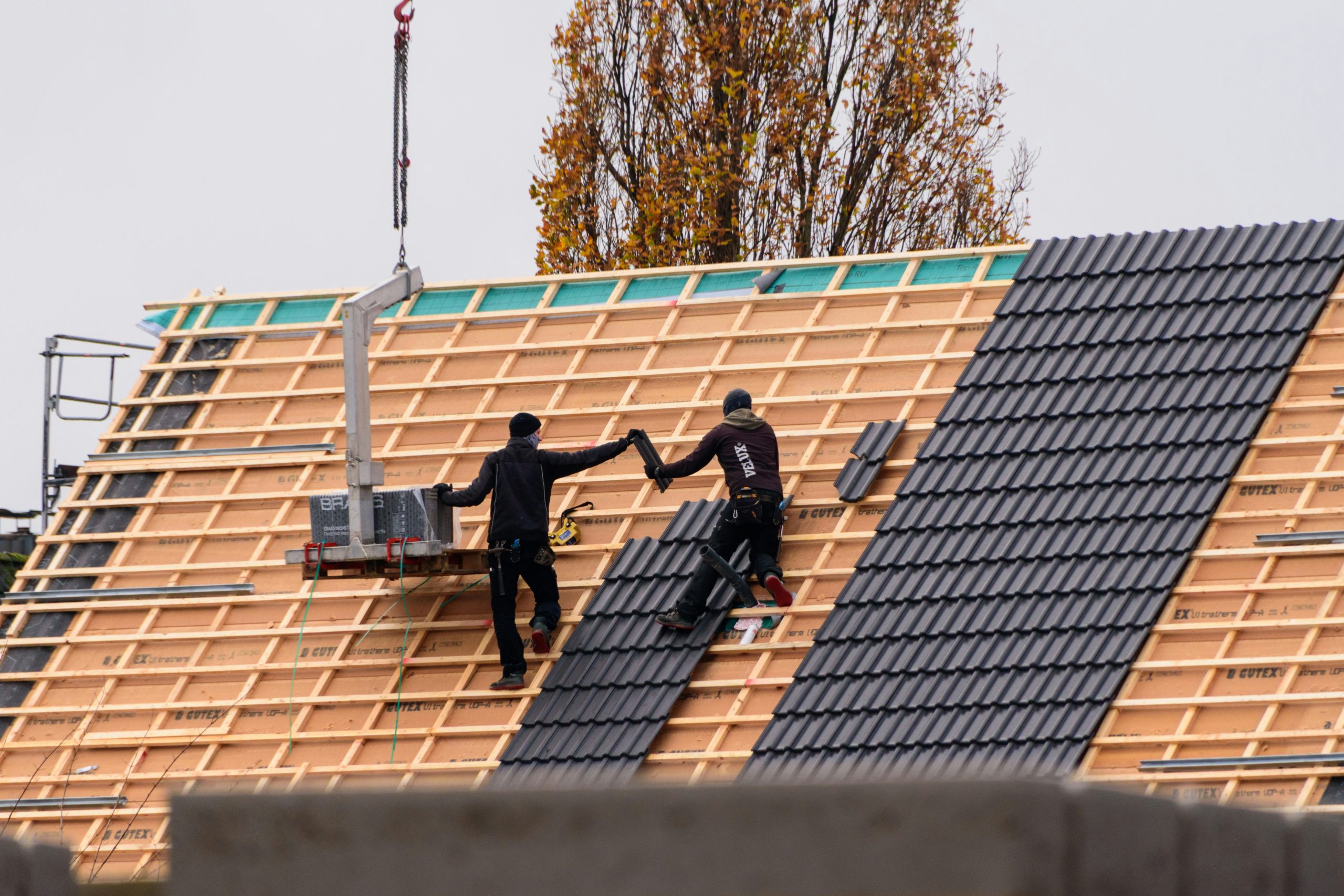
Austin, Texas, with its vibrant culture and sprawling cityscape, is a place many of us call home. Our homes, whether grand estates or cozy bungalows, are our sanctuaries, and the roof above our heads stands as the first line of defense against the elements. For those with metal roofs, a ubiquitous sight in our sun-drenched region, understanding proper repair is paramount to ensuring longevity and structural integrity. We’ve all seen those glinting surfaces from afar, shimmering under the relentless Texas sun, a testament to both style and durability. However, even the sturdiest metal roof is not impervious to the daily grind of wind, hail, and the simple passage of time. This article aims to equip us, as homeowners in Austin, with practical knowledge and actionable tips for addressing metal roof repair, turning a potentially daunting task into a manageable one.
Understanding the Enemy: Common Metal Roof Issues in Austin
When we talk about metal roof repair in Austin, we’re essentially talking about confronting specific adversaries that our roofing systems face. The Texas climate, while beautiful, presents a unique set of challenges. From the scorching summer heat that can expand and contract metal to the occasional, but impactful, hailstorms that can leave their mark, our roofs are constantly at work. Identifying these issues early is akin to a doctor diagnosing an ailment before it becomes severe. We need to be our own roof’s first responders, recognizing the early warning signs to prevent minor inconveniences from escalating into costly catastrophes.
The Sun’s Scorch: Thermal Expansion and Contraction
The relentless Austin sun, a source of our abundant sunshine, also plays a significant role in roof wear and tear. Metal, by its very nature, expands when heated and contracts when cooled. This constant cycle, repeated daily from dawn until dusk, can exert considerable stress on fasteners, seams, and the metal panels themselves. Over time, this can lead to loose screws, cracked sealants, and even minor buckling, creating pathways for water intrusion. We’ve likely all felt the subtle creaks and groans our houses emit on particularly hot days; much of that symphony comes from the roof’s response to temperature shifts.
Recognizing the Signs of Thermal Stress
- Loose Fasteners: After years of expansion and contraction, screws and nails can loosen, creating gaps. A visual inspection might reveal screws that are no longer flush with the roof surface or are even protruding.
- Cracked Sealants: The sealants used around flashing, seams, and penetrations are designed to flex with the metal. Extreme temperature fluctuations can cause these sealants to become brittle and crack, compromising their waterproofing capabilities.
- Panel Warping or Buckling: In severe cases, prolonged thermal stress can cause the metal panels themselves to warp or buckle, creating an unsightly appearance and potential leak points. This is often more noticeable on expansive, flat sections of a metal roof.
The Hail’s Fury: Impact Damage
Austin can experience dramatic weather changes, and hailstorms, though infrequent, can be brutal. Ice, propelled by strong winds, can strike metal roofs with significant force, leaving dents, gouges, and even puncturing the surface. These impacts are more than just cosmetic blemishes; they compromise the protective layer of the roof, exposing the underlying materials to moisture and corrosion. We’ve all heard the terrifying rattle and drumming of hail on our roofs; it’s a sound that can send shivers down our spines, but for our roofs, it’s a direct assault.
Identifying Hail Damage
- Dents and Dinges: The most obvious sign is the presence of dents on the metal panels. These can range from small pinpricks to larger indentations.
- Scratches and Gouges: Hail can also scratch or gouge the protective coating on the metal, exposing the bare metal underneath and making it susceptible to rust.
- Perforations: In the most severe cases, hail can actually create small holes or perforations in the metal panels, requiring immediate attention.
The Salt of the Earth (and Air): Corrosion and Rust
While modern metal roofing materials are often coated with protective layers like Galvalume or Kynar 500, they are not entirely immune to corrosion. In coastal areas, salt spray can contribute to this, but in Austin, it’s often a combination of exposed bare metal (from scratches or faulty installation) and prolonged exposure to moisture and atmospheric pollutants that leads to rust. Rust is like a slow, creeping vine, gradually weakening the metal and eventually compromising its integrity.
Detecting Rust and Corrosion
- Discoloration: The early stages of rust often appear as reddish-brown discoloration on the metal surface.
- Surface Pitting: As corrosion progresses, it can create small pits or depressions on the metal.
- Perforated Rust: In advanced stages, rust can eat through the metal panel, resulting in holes.
Becoming Our Own Roof Detectives: DIY Inspection Strategies
Before we even consider picking up a tool for metal roof repair in Austin, we need to become astute observers. A proactive approach, involving regular visual inspections, can save us considerable time and money. Think of yourself as the vigilant guardian of your home’s crown, regularly sweeping the ramparts for any signs of intrusion. These inspections don’t require specialized climbing gear for the most part if we use safe and accessible methods.
Safe and Sound: Prioritizing Inspection Safety
Safety is the absolute bedrock of any DIY endeavor, especially when dealing with roofs. We must never compromise our well-being for the sake of a roof repair. If at any point we feel unsteady or unsure about accessing a certain area, it’s far wiser to consult a professional.
Essential Safety Precautions
- Buddy System: If we choose to access the roof, always have someone with us for emergencies.
- Proper Footwear: Wear sturdy, non-slip shoes with good traction.
- Ladder Safety: Ensure ladders are on stable ground and extended correctly. Never overreach.
- Weather Conditions: Never inspect or work on a roof during wet, icy, or windy conditions.
- Guardrails and Harnesses: For steeper roofs or if feeling insecure, consider investing in temporary guardrails or a safety harness.
Ground-Level Reconnaissance: The Power of Observation from Below
We can glean a surprising amount of information about our roof’s condition without ever setting foot on it. This is the most accessible and safest inspection method for all of us.
Visual Inspection from the Ground
- Perimeter Sweep: Walk around the entire perimeter of our house, looking upwards.
- Identify Missing or Damaged Shingles/Panels: Look for any obvious signs of dislodged or damaged metal panels.
- Check Gutters and Downspouts: Observe if there’s an unusual amount of debris in our gutters, which could indicate material shedding from the roof. Also, check for water overflow during rain, suggesting a blockage or drainage issue.
- Look for Stains: Examine the exterior walls of our house for any water stains that might have originated from the roof.
Higher Up and Closer: Attic and Roof Access
For a more thorough assessment, we might need to venture a bit higher. Accessing the attic and, if safe, the roof itself, provides a more intimate look at the potential problems.
Attic Inspection Insights
- Water Stains and Leaks: The underside of our roof deck in the attic is a prime location to spot the tell-tale signs of leaks. Look for water stains, dark spots, or drips on the rafters and sheathing.
- Mold Growth: Mold thrives in damp environments. If we see any fuzzy or discolored patches, it indicates a moisture issue.
- Daylight Penetration: In a well-sealed attic, we shouldn’t see any daylight peeking through the roof deck. Any light sources indicate a breach.
On-Roof Inspection (with Extreme Caution)
- Panel Condition: Check for dents, scratches, punctures, and signs of rust on individual panels.
- Fastener Integrity: Examine the screws and fasteners to ensure they are snug and not corroded.
- Seam Integrity: Inspect the seams where panels overlap for any signs of damage or sealant failure.
- Flashing Assessment: Pay close attention to the flashing around chimneys, vents, skylights, and valleys. These are common areas for leaks.
The Toolkit for Triumph: Essential Metal Roof Repair Supplies
Armed with the knowledge from our inspections, we can begin to gather the necessary tools and materials for metal roof repair in Austin. This isn’t about building a professional roofing arsenal, but rather assembling a practical set of items for common fixes. Think of this as assembling a craftsman’s kit, ready to address the specific needs of our metal roof.
Sealants and Adhesives: The Glue of Resilience
The right sealant is crucial for bridging gaps and preventing water intrusion. These aren’t your everyday adhesives; they are formulated to withstand the harsh elements and the unique expansion and contraction of metal.
Types of Sealants to Consider
- Metal Roof Sealants: These are specifically designed for metal roofing and are typically rubberized or silicone-based to accommodate movement. They are often UV-resistant and can adhere to various metal finishes.
- Roofing Cement/Asphaltic Cements: While useful for some applications, be cautious with these. They can stiffen over time and may not be suitable for areas requiring significant flexibility on metal roofs. Always check manufacturer recommendations.
- Caulking Guns: A good quality caulk gun is essential for applying sealants smoothly and precisely.
Fasteners and Flashing: Anchors Against the Storm
Loose or corroded fasteners are a common culprit for leaks. Replacing them with the correct type and ensuring proper sealing is vital. Flashing, the material that bridges joints and gaps, is equally important.
Fastener Considerations
- Appropriate Screws: Use screws specifically designed for metal roofing, often with self-drilling tips and neoprene washers to create a watertight seal.
- Corrosion-Resistant Materials: Opt for stainless steel or galvanized screws to prevent rust.
- Replacement Washers: If existing screws are loose but not damaged, consider replacing just the neoprene washer to restore the seal.
Flashing Materials
- Sheet Metal: For more extensive repairs or new flashing installation, we might need to work with sheet metal, often aluminum or galvanized steel.
- Flashing Tape/Seam Tape: These specialized tapes offer a quick and effective solution for sealing seams and small gaps, providing an initial layer of protection.
Cleaning and Preparation Tools: Setting the Stage for Success
Before any repair can be effectively made, thorough cleaning is indispensable. This ensures that new materials adhere properly and that we’re not just covering up existing problems.
Cleaning Essentials
- Stiff Brush or Broom: For removing loose debris, dirt, and moss.
- Mild Detergent and Water: For a more thorough cleaning of the affected area.
- Rags and Towels: For drying the surface completely after cleaning.
- Wire Brush: For removing rust spots before sealing or repainting.
The Art of the Mend: Step-by-Step Repair Techniques
Now that we have our tools and knowledge, let’s delve into the practical application of metal roof repair in Austin. These are the hands-on methods we can employ to address common issues, turning problems into solutions, one fix at a time.
Re-securing Loose Panels and Fasteners
This is often the simplest and most common repair. Loose elements are like a loose tooth in a smile; they detract from the overall health and appearance.
Steps for Re-securing
- Identify Loose Fasteners: Gently wiggle the edge of the metal panel or the fastener itself to confirm looseness.
- Clean the Area: Remove any dirt or debris around the loose fastener.
- Tighten Screws: Using an appropriate screwdriver or drill bit, carefully tighten the existing screws. Do not overtighten, as this can strip the threads or deform the metal.
- Replace Damaged Fasteners: If a screw head is stripped or the threads are damaged, remove the old screw and replace it with a new, appropriately sized screw with a neoprene washer.
- Seal Around Fasteners: Apply a small bead of metal roof sealant around the head of each fastener to ensure a watertight seal.
Addressing Minor Dents and Scratches
For cosmetic issues like small dents and scratches that haven’t compromised the metal’s integrity, a DIY approach can be very effective.
Repairing Dents
- Gentle Pressure: For very minor dents, sometimes gentle pressure from behind the panel (if accessible) can help push it back into shape.
- Specialized Tools: For slightly more pronounced dents, a rubber mallet and a block of wood can be used to carefully tap the dent out from the underside. Exercise extreme caution to avoid further damage.
- Filling Minor Imperfections: For very small nicks, a metal-specific filler can be used, followed by touch-up paint.
Repairing Scratches
- Clean the Area: Thoroughly clean the scratched area.
- Remove Rust (if present): Use a wire brush to remove any surface rust.
- Apply Primer: Apply a rust-inhibiting primer specifically designed for metal.
- Touch-Up Paint: Once the primer is dry, apply a coat of touch-up paint that matches the color of your metal roof. You may need multiple thin coats for an even finish.
Patching Small Holes and Punctures
When a small hole presents itself, it’s crucial to act swiftly. These are like tiny wounds that need immediate attention to prevent further entry of the elements.
Patching Procedure
- Clean and Prepare: Thoroughly clean the area around the hole, extending at least a few inches in all directions. Remove any rust or loose paint.
- Apply Sealant: Apply a generous amount of metal roof sealant around the edges of the hole and slightly overlapping the surrounding metal.
- Insert Patch Material: Cut a piece of compatible metal flashing or a pre-made metal patch slightly larger than the hole.
- Secure the Patch:
- Method 1 (Sealant Only): If the hole is very small, simply pressing the patch firmly into the sealant might suffice, ensuring a complete seal.
- Method 2 (Fasteners and Sealant): For larger holes, after applying sealant, set the patch in place. Then, carefully secure the patch with short, self-drilling screws, placing them around the perimeter of the patch and ensuring they penetrate the original roof material and are sealed with sealant.
- Apply External Sealant: Apply a final bead of sealant around the entire perimeter of the patch, ensuring it overlaps the patch and the existing roof material seamlessly.
Sealing Leaky Seams and Flashing
Seams and flashing are notorious for developing leaks due to movement and wear. These are the critical junctions that require meticulous attention.
Addressing Leaky Seams
- Inspect Thoroughly: Identify the exact location of the leak along the seam.
- Clean the Seam: Ensure the seam is free from dirt, debris, and any loose sealant.
- Apply Sealant: Apply a continuous bead of metal roof sealant along the entire length of the seam, ensuring it bridges any gaps and adheres well to both overlapping panels.
- Smooth the Sealant: Use a putty knife or a gloved finger to smooth the sealant, creating a clean, watertight finish.
Repairing Flashing Issues
- Identify the Problem: Determine if the flashing is loose, damaged, or if the sealant around it has failed.
- Reinforce Loose Flashing: If the flashing is simply loose,try re-securing it with appropriate fasteners and sealant.
- Sealant Failure: If the sealant has cracked or pulled away, remove the old sealant completely. Clean the area, and apply a new, generous bead of metal roof sealant around the entire perimeter of the flashing. Ensure the sealant makes good contact with both the flashing and the roof material.
- Damaged Flashing: If the flashing itself is damaged, it may need to be replaced. This is a more advanced repair and might require professional assistance depending on the complexity.
When to Call the Cavalry: Knowing Your Limits
While we’ve outlined several DIY repair strategies, it’s crucial to recognize when a problem exceeds our skill set or poses a significant risk. Overestimating our abilities can lead to more extensive damage and higher repair costs in the long run.
Recognizing the Red Flags for Professional Intervention
- Extensive Hail Damage: If our roof has sustained widespread hail damage, with numerous dents and potential punctures across a large area, a professional assessment is necessary. They have the tools and expertise to evaluate the overall structural integrity and recommend the best course of action, which may involve partial or full replacement.
- Large or Numerous Holes: If we discover multiple holes or a single large hole that has penetrated the metal, it’s time to call in the experts. These situations require more than just simple patching and may involve specialized materials and techniques.
- Significant Rust or Corrosion: If large sections of the roof show advanced stages of rust, with metal that is visibly deteriorating or already perforated, a professional roofer can properly assess the extent of the damage and advise on repair or replacement.
- Steep or Difficult-to-Access Roofs: For homes with very steep roof pitches or complex architectural designs, attempting repairs ourselves can be extremely dangerous. Prioritizing personal safety is paramount.
- Uncertainty About the Cause or Extent of the Problem: If we’re unsure about the source of a leak, the severity of damage, or the appropriate repair method, it’s always best to err on the side of caution and consult a professional. They can provide a definitive diagnosis and a reliable solution.
- Underlying Structural Damage: If our inspections reveal signs of water damage that has reached the roof decking or rafters (e.g., rotting wood, sagging areas), this indicates a deeper issue that requires professional attention to address the underlying structural problems before any roofing repairs are made.
- Warranty Concerns: If our metal roof is still under warranty, attempting DIY repairs might void that warranty. Before undertaking any work, it’s wise to review our warranty documentation and consult with the manufacturer or installer if necessary.
The Professional Advantage: Expertise and Resources
Professional roofers possess specialized knowledge, industry-standard tools, and access to a wide range of materials that we, as homeowners, may not have. They are trained to identify subtle issues, perform complex repairs, and ensure that all work is done to code and manufacturer specifications. Their experience in the local Austin climate also means they understand the specific challenges our roofs face. They are the seasoned navigators who can steer our homes through the tempest, ensuring the helm remains secure.
In conclusion, as residents of Austin, understanding metal roof repair empowers us to be proactive caretakers of our homes. By recognizing common issues, performing regular inspections safely, and knowing our limits, we can extend the lifespan of our metal roofs and protect our investments. For the intricate or extensive problems, calling in the professionals is a sign of wisdom, not weakness, ensuring our homes remain a sturdy and beautiful sanctuary under the wide Texas sky.