We, as homeowners in Austin, understand the unique challenges our roofs face. The Texas climate, with its intense summers and periodic severe weather events, subjects our properties to significant stress. Among these perils, wind damage stands out as a frequent and often destructive force. This article aims to provide a comprehensive guide to understanding, identifying, and addressing wind damage to your roof, offering practical advice and information grounded in professional expertise and industry best practices.
Wind, a seemingly invisible force, is a powerful adversary to roof systems. Its impact is multifaceted, ranging from subtle wear and tear to catastrophic structural failure. We encounter various forms of wind damage, each requiring specific consideration and remedial action.
The Mechanics of Wind Load
Imagine your roof as a sail on a ship. Strong winds exert pressure, and this pressure isn’t uniform. We observe both positive and negative pressures at play. Positive pressure, or direct wind force, pushes down and across the roof surface, attempting to lift individual components. Negative pressure, on the other hand, is the vacuum effect created as wind flows over the roof’s edge or across its surface, effectively trying to pull materials upward. This uplift force is particularly damaging at edges, corners, and around penetrations like skylights or vents. Understanding these mechanics helps us anticipate where damage is most likely to occur.
Common Types of Wind Damage
We categorise wind damage into several distinct types, each leaving its own signature on the roof.
Missing Shingles
This is perhaps the most obvious sign of wind damage. Gusts can lift and tear individual shingles from the roof deck, leaving exposed areas especially vulnerable to water intrusion. We often find these missing shingles in concentrated patterns, indicating a specific point of uplift or a weaker section of the roof.
Lifted or Curled Shingles
Even if shingles aren’t completely detached, strong winds can loosen their adhesive seals, causing them to lift or curl at the edges. This compromises their ability to shed water effectively and makes them more susceptible to further damage in subsequent weather events. We see these as early warning signs, indicating a weakening of the roof’s protective shell.
Granule Loss
High winds can abrade the granular surface of asphalt shingles, stripping away their protective layer. While less immediately catastrophic than missing shingles, granule loss reduces the shingle’s lifespan and its ability to reflect UV rays, accelerating its deterioration. We monitor this closely as an indicator of cumulative wind stress.
Damage to Flashing and Vents
Areas where the roof transitions, such as around chimneys, skylights, and vent pipes, are particularly susceptible. Wind can lift or warp metal flashing, creating gaps where water can penetrate. Vents themselves can be torn from their mounts or have their caps dislodged, disrupting attic ventilation and leaving openings for water and pests. We always inspect these critical junctions with considerable attention.
Structural Damage
In extreme cases, high winds can cause more significant structural damage, including dislodging roof decking, damaging trusses, or even leading to partial roof collapse. While less common, these scenarios necessitate immediate professional intervention and often involve extensive repairs. We consider this the most severe manifestation of wind’s destructive power.
Identifying Wind Damage: Our Assessment Process
Before we can restore your roof, we must first accurately assess the extent and nature of the damage. This requires a systematic approach and an understanding of what to look for.
Post-Storm Exterior Inspection
After a significant wind event, we recommend a preliminary exterior inspection from the ground. While not exhaustive, this allows us to identify obvious signs of damage. We look for scattered shingles in the yard, visible gaps in the roofline, or displaced flashing. We advise against climbing onto the roof yourselves, especially if inexperienced, as this poses a significant safety risk and could inadvertently cause further damage.
Professional Roof Inspection
For a thorough assessment, we rely on our trained professionals. We conduct a comprehensive inspection, often involving climbing onto the roof for a closer look.
Detailed Shingle Examination
We meticulously examine every section of the roof, paying close attention to shingle integrity. We check for lifted edges, creases, tears, and areas with significant granule loss. We also assess the condition of shingle seals, looking for signs of weakening or detachment.
Flashing and Penetration Check
Our team inspects all flashing around chimneys, skylights, vents, and valleys for any signs of lifting, bending, or separation. We also examine the integrity of vent covers and exhaust pipes, ensuring they are securely fastened and free from damage. These are often forgotten areas but are critical to the roof’s waterproofing.
Gutter System Assessment
While not directly part of the roof structure, gutters often bear the brunt of falling debris or can be displaced by strong winds. We check for loose hangers, bent sections, and blockages, as a compromised gutter system can lead to water pooling and further damage to the fascia and soffit.
Attic Inspection for Interior Leaks
In cases where water intrusion is suspected, we conduct an attic inspection. We look for water stains on the underside of the roof deck, insulation, or rafters, which are clear indicators of a compromised roof system. This internal view often provides crucial clues about the precise location of external damage.
The Repair Process: Our Approach to Restoration

Once we have a complete understanding of the damage, we develop a tailored repair plan. Our goal is not just to fix the immediate problems but to restore the roof’s integrity and prolong its lifespan.
Emergency Tarping and Temporary Solutions
If the damage is severe and immediate, leading to active leaks or significant exposure, our first priority is to apply temporary measures. We use heavy-duty tarps to cover compromised areas, preventing further water intrusion while permanent repairs are being planned and executed. This acts as a critical stopgap, protecting your home’s interior from the elements.
Shingle Replacement and Repair
For localized shingle damage, we aim for precise and efficient repair.
Matching Existing Shingles
We strive to match the new shingles as closely as possible to the existing roof in terms of color, style, and manufacturer. This ensures a more aesthetically pleasing repair and maintains the roof’s overall uniformity. While perfect matches can be challenging on older roofs due to weathering, we always endeavor to find the best possible fit.
Proper Installation Techniques
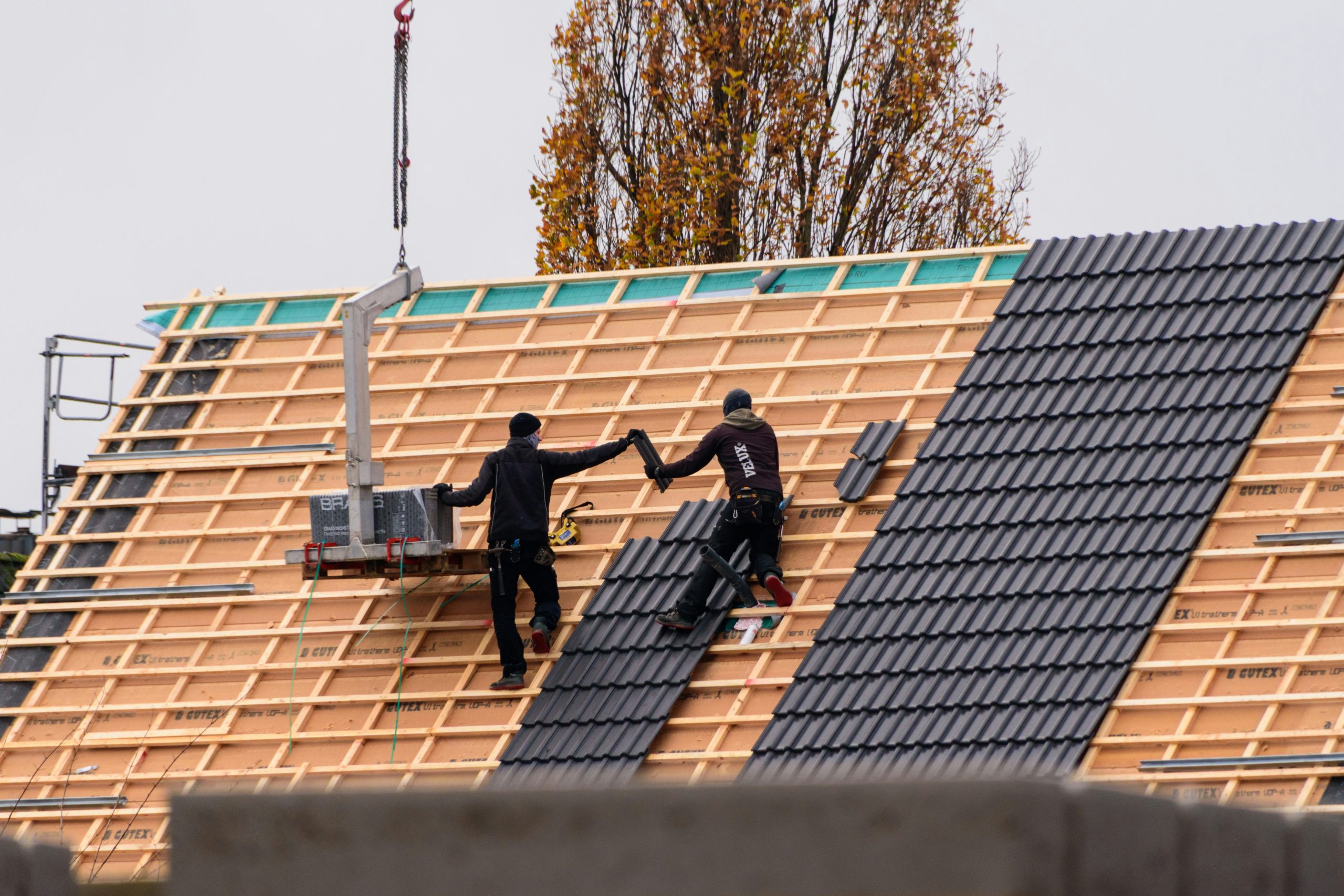
New shingles are installed using industry-standard techniques, ensuring proper nailing patterns and adequate sealant application. We pay close attention to overlapping and integrated flashing where applicable, ensuring the repaired section is as robust as the original roof.
Flashing and Vent Repair/Replacement
Damaged flashing and vents are meticulously repaired or replaced.
Re-Securing and Sealing
Loose flashing is re-secured and re-sealed with appropriate sealants to create a watertight barrier. We ensure all fasteners are tight and that the flashing is properly integrated with the surrounding roofing materials.
Replacing Damaged Components
Severely damaged vents, such as those with missing caps or cracked housings, are replaced with new, durable components. We check the flashing around these new installations to guarantee a leak-free seal.
Decking and Structural Repairs
In instances of more extensive damage involving the roof deck or underlying structure, we address these foundational issues.
Replacing Damaged Plywood/OSB
Sections of compromised roof decking are removed and replaced with new, structurally sound plywood or OSB panels. This provides a stable base for the new roofing materials and restores the roof’s load-bearing capacity.
Reinforcing Trusses and Rafters
If trusses or rafters have sustained damage, we implement reinforcement strategies, which may involve sistering new lumber alongside damaged sections or replacing severely compromised elements. This ensures the structural integrity of the entire roof system.
Working with Insurance Companies: Our Guidance

Navigating insurance claims can be a complex and often frustrating process. We aim to simplify this for you, acting as a knowledgeable resource and advocate.
Documenting the Damage Thoroughly
Comprehensive documentation is paramount. We assist you in gathering all necessary information.
Photographs and Videos
We advise taking numerous photographs and videos of the damage from various angles, both close-up and wide shots. These visual records serve as irrefutable evidence for your claim. Documenting before and after repairs can also be beneficial.
Date and Time of Storm Event
Accurate records of the storm’s date and time are crucial, as insurance policies often have specific coverage periods. We encourage you to note down any unusual weather phenomena observed.
Communicating with Your Adjuster
We guide you through the process of communicating effectively with your insurance adjuster.
Providing Detailed Estimates
We provide detailed, itemized estimates for the cost of repairs, ensuring all necessary work is accounted for. These estimates are prepared in a format that is readily understandable by insurance companies, minimizing delays.
Acting as Your Representative
With your permission, we can communicate directly with your insurance adjuster, clarifying details of the damage and the proposed repair plan. Our experience in this area often streamlines the claims process.
Maintaining Your Roof for Future Resilience
| Metric | Value | Details |
|---|---|---|
| Average Repair Time | 3-5 days | Typical duration for wind damage roof repairs in Austin |
| Common Wind Speeds Causing Damage | 40-70 mph | Wind speeds that often result in roof damage in Austin area |
| Most Frequent Damage Types | Shingle loss, leaks, structural damage | Typical issues caused by wind damage on roofs |
| Insurance Claim Approval Rate | 85% | Percentage of wind damage roof repair claims approved by insurers in Austin |
| Average Repair Cost | 3,000 – 7,000 | Typical cost range for wind damage roof repairs in Austin |
| Peak Season for Wind Damage | Spring and Fall | Seasons with highest incidence of wind-related roof damage in Austin |
| Preferred Roofing Materials for Wind Resistance | Metal, architectural shingles | Materials recommended for better wind damage resistance in Austin |
Repairing wind damage is a crucial step, but ensuring your roof’s long-term resilience requires ongoing vigilance and proactive maintenance. We advocate for a preventative approach.
Regular Roof Inspections
We recommend annual professional roof inspections, even in the absence of obvious damage. These routine checks allow us to identify minor issues before they escalate into major problems. Think of it as a regular health check-up for your roof.
Keeping Gutters Clear
Clear gutters are essential for proper drainage. Clogged gutters can lead to water backing up under shingles and causing damage to fascia and soffit, weakening the roof’s edge – a prime target for wind uplift. We routinely remind our clients of the importance of this simple maintenance task.
Trimming Overhanging Branches
Trees with branches overhanging your roof pose a significant risk during high winds. Falling branches can directly damage shingles, flashing, and even the roof deck. We advise trimming these back to minimize potential impacts. This is a crucial step in reducing the potential for both wind and impact damage.
Choosing Durable Materials for Replacements
When undertaking full roof replacements or significant repairs, we discuss the advantages of using more wind-resistant roofing materials. Options such as architectural shingles designed for higher wind ratings or reinforced attachment methods can significantly enhance your roof’s ability to withstand future storms. Investing in higher quality materials now can prevent significant repair costs later and provide peace of mind during Austin’s volatile weather. We empower you with choices that bolster your home’s defenses.
By understanding the nature of wind damage, engaging in thorough assessment, executing precise repairs, navigating the insurance labyrinth with our guidance, and committing to ongoing maintenance, we collectively ensure your Austin home remains protected, its roof a steadfast guardian against the elements. We stand ready to partner with you in restoring and fortifying your most critical line of defense.